AUGUST 10, 2023
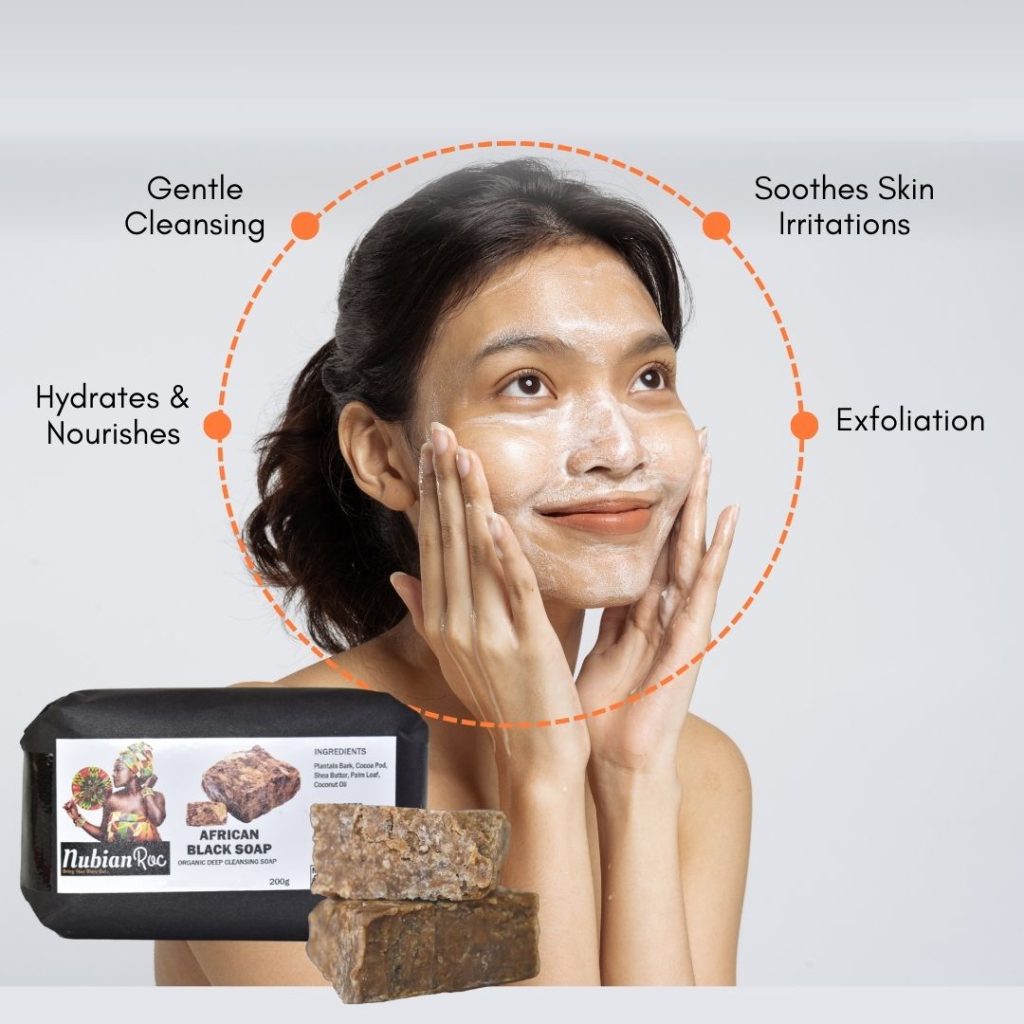
I visited a village in the Brong-Ahafo Region because I was looking for a consistent supplier for African Black Soap, locally called Alata Samina. A century-plus old soap made across different parts of Western and Northern Africa. I met a third-generation african black soap(Alata Samina) manufacturer. She was living a simple village life on a hill on a few acres of land which she told me her family-owned. She was very knowledgeable about African Black Soap, its origins, the different types, made with different ingredients for different purposes. From the healing of various diseases to basic cosmetics. She had a group of about 10 women who worked together.
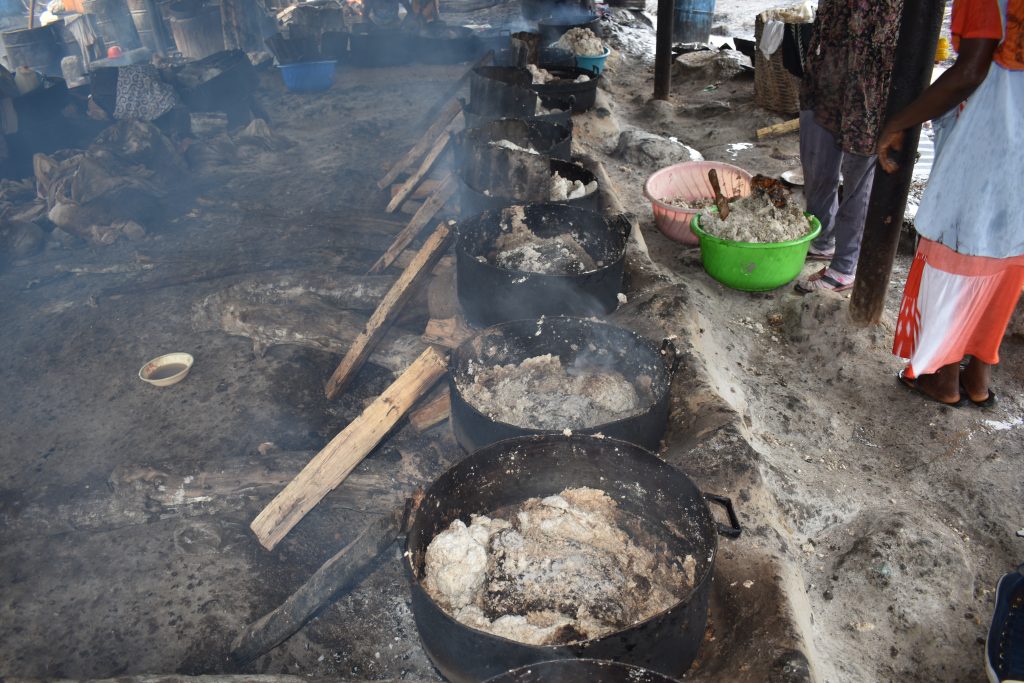
African Black Soap manufacturing is a generational, community-based, women business just like women`s gold shea butter. One woman learns it, teaches other women in the community, and they work together. This allows them to have a job that provides an income, and also have time to take care of other family activities. Each woman is responsible for a part of the process, which the entire group depends on, so there’s very little room for slacking. Black soap originated in Africa. It is often associated with Ghana, but is made in many parts of West Africa. Tribes often have their own secret blend of oils and cooking techniques that have been passed down through generations, leading to variations in color . Despite its name, not all black soap is black. It can be dark brown or even beige in color.
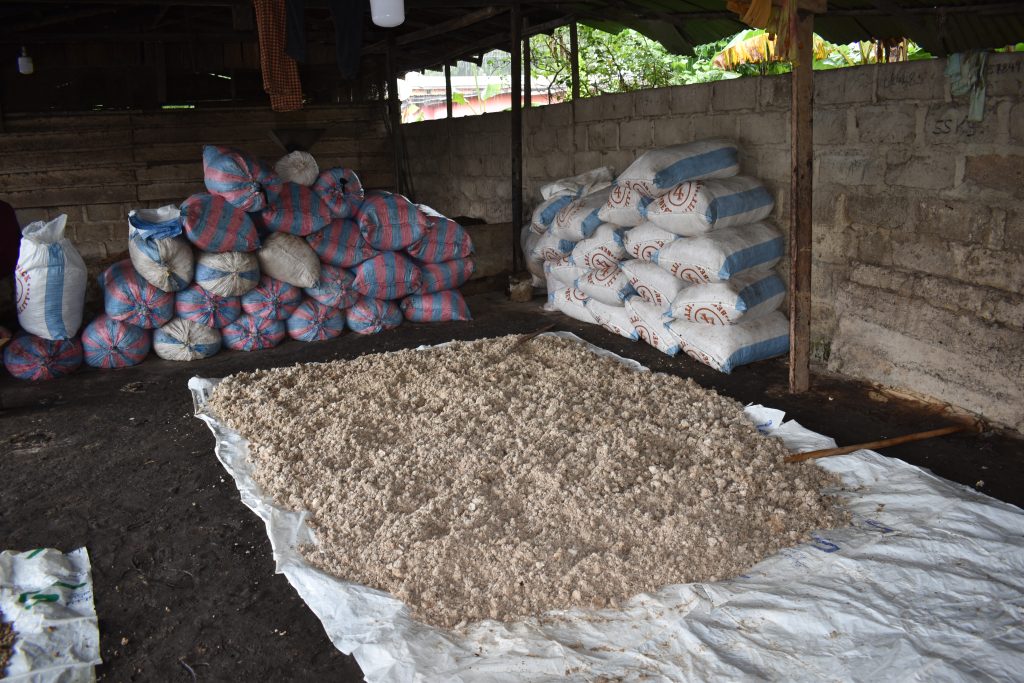
The manufacturing process is tedious back-breaking work that takes a group of women about 25 hours to complete a batch. A couple of them wake up about 3 am on Monday to start the prep work and others join throughout the day to continue the process until it’s complete about 4 pm. The next day another group takes it to the market to sell, and some bring it all the way to Accra(3 hours away) to make sure they don’t have excess soap sitting around.
She said her grandmother learned it from a Northern woman, passed it on to her mother, who passed it on to her. The entire process is done from memory, nothing is written down. Most of the women are uneducated anyway and can’t read. However, she hasn’t passed it on to her kids. Her kids are in school. She doesn’t want them in the trade because the income is not consistent. There are some weeks they struggle to sell the soap. Other times, the raw materials are not available from the usual suppliers, so they have to travel to far to get them. Which means they go weeks without an income.
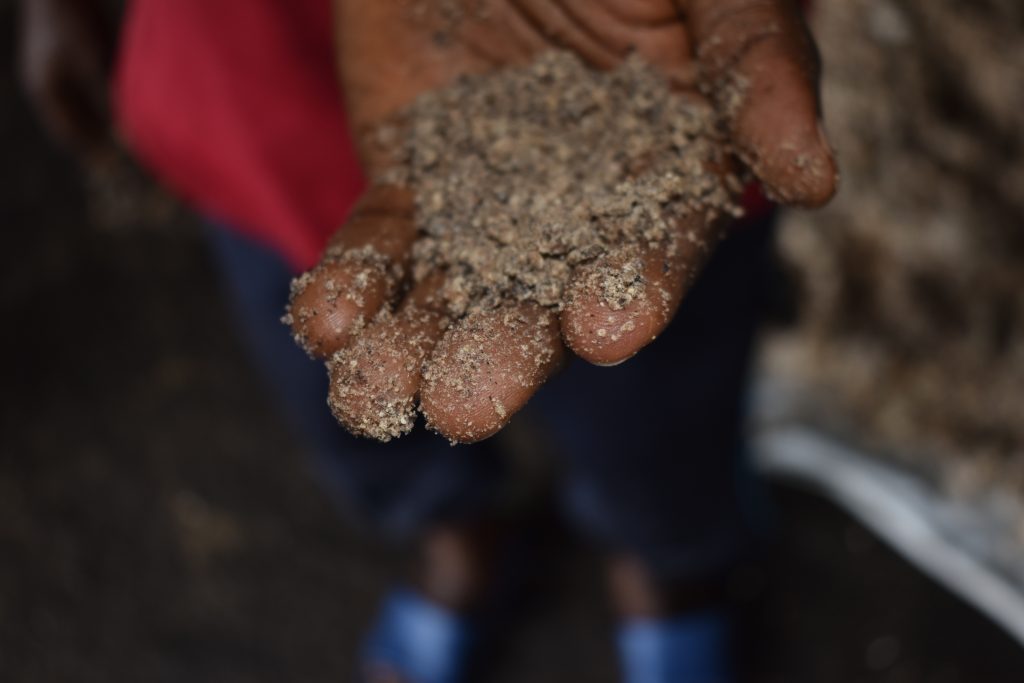
So why this long story? Well, because it’s a part of Nubian Roc`s Africa story. The local soap industry which has been around for centuries is slowly dying, and we don’t even realize it. We’ve left it to the rural and uneducated women and haven’t helped them build the industry. Our kids want to work in Unilever to help make lux, but not help grandma grow her business.
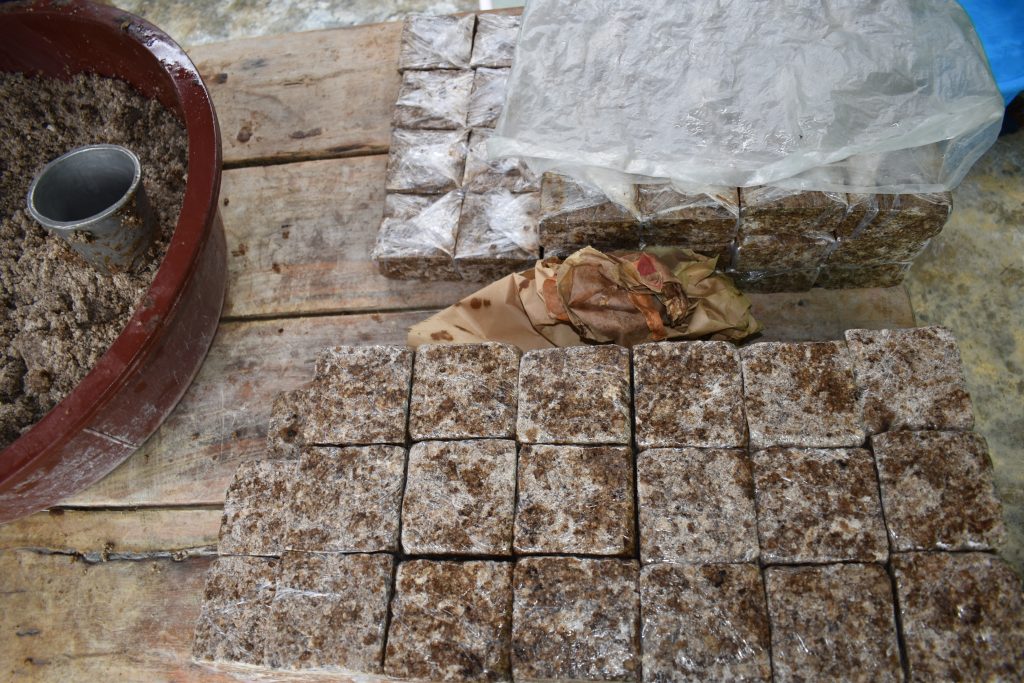
I hope to be able to change that. I want to make it sexy for our educated Engineers, Accountants, and Marketers(AKA Social Media Influencers) to choose to make and use Shea Butter & African Black Soap-based products and make them popular. So Her and her crew will always have a market for their business. So her Chemical Engineer daughter will find her business appealing. Because soap making is a science, as much as it is an art.