
Ensuring Traceability – From Shea Tree Fruit To Products
Shea butter is an amazing moisturizing all-rounder. People across Africa have been using shea butter for thousands of years to protect their skin from drying out due to the hot climate in the sub-Saharan countries. Due to its outstandingly caring, naturally nourishing properties, shea butter has become indispensable in today’s body care and cosmetics products worldwide.
With the demand for natural and organic products rising in the Western world, shea butter has become a hot commodity. The precious substance is used for many different types of cosmetics and skin care products because of its natural healing properties; people prefer it to the harsh chemicals, artificial colors and fillers often used in conventional cosmetics. Shea butter is also used in food products such as chocolates. Confect-ioners use it as a cocoa butter equivalent to give chocolates a higher melting point and a smoother texture. The butter is used in popular chocolate bars such as Kit Kat and Milky Way.
This high-quality butter is also a vital ingredient in many Nubian Roc products – it is used in our hairfood, african black soap and body butters, just to name a few products.
The Shea Belt: Prime Region for Shea Butter Production
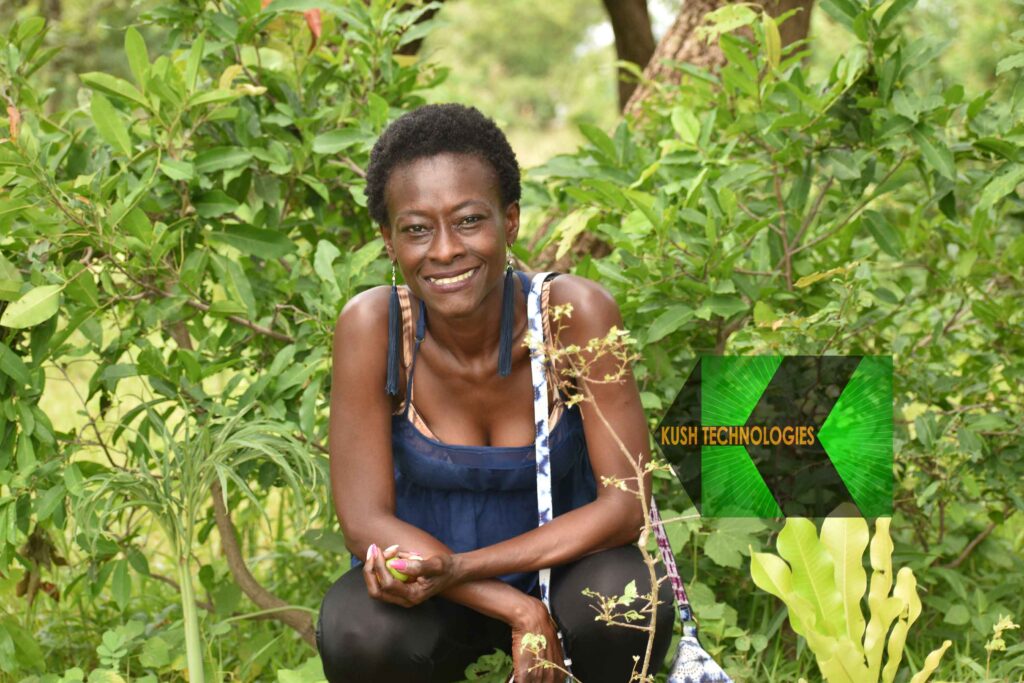
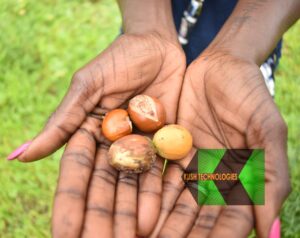
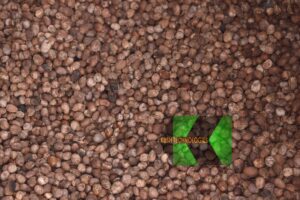
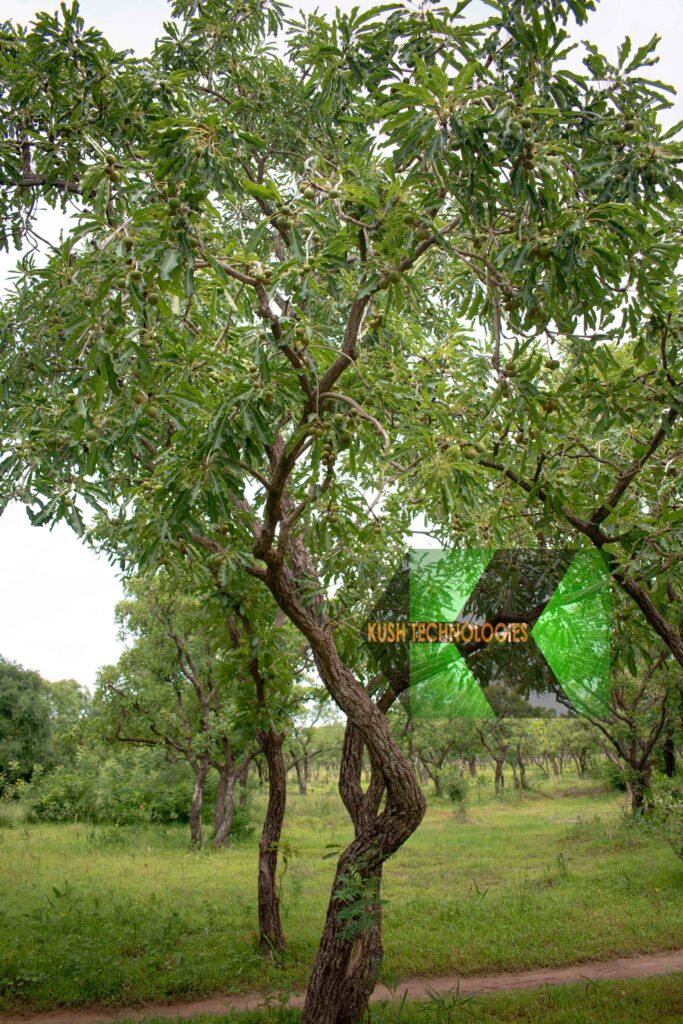
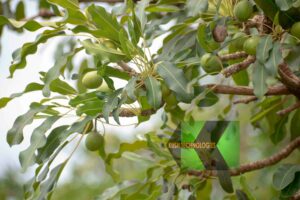
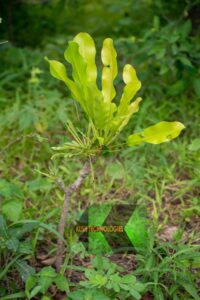
Shea butter is a naturally renewable raw material and is mainly sourced from the West African countries, the shea tree grows naturally in the wild in the dry savannah belt of West and South from Senegal in the west to Sudan and South Sudan in the east, and onto the foothills of the Ethiopian highlands. It occurs in 19 countries across the African continent, namely Benin, Burkina Faso, Cameroon, Central African Republic, Chad, Ethiopia, Ghana, Guinea Bissau, Ivory Coast, Mali, Niger, Nigeria, Senegal, Sierra Leone, South Sudan, Sudan, Togo, Uganda, Democratic Republic of the Congo, and Guinea. The habitat area in total spans as wide as 5,000 square kilometres. A shea tree can live to be over 300 years old and can take 15-20 years to bear fruit for the first time. The shea nuts grow on the branches of the tree, which can grow up to 20 meters high. Shea butter is extracted from the nuts in complex steps. The special thing about the shea tree is that it is difficult to cultivate – there are no shea plantations to date. New trees are the result of a targeted regeneration process controlled by farmers that supports the “accidental” germination of shea tree seedlings. This means all nuts from wild-sown, widely scattered shea trees on the savannah and on arable land are gathered by local people.
Traditional Methods Of Shea Butter Extraction
Shea butter production is deeply ingrained in the culture of West African communities . The process typically involves gathering the nuts, drying, shelling, grinding, roasting and then extracting the oil from the crushed nuts. This traditional approach has been passed down through generations and is central to the livelyhoods of many West African communities.
Extracting Shea Butter The Traditional Way
Depending on methods passed down from generations, various families in West Africa have their own traditional methods of extracting shea butter. The basic process is the same in most families. Shea Nuts, the fruit of the Shea Tree is picked, cracked, roasted and pounded to extract the butter. It is then boiled in water for a number of hours until the fresh shea butter rises to the surface. It is then scooped into gourds and left to cool and set. This is all done by hand. This process has been done for centuries. Although this process does not produce mass shea butter, it is still the best way to extract because there is no need for chemicals or synthetic agents to be added to extract the butter. This is called Unrefined Shea Butter or Raw Shea Butter.
Extracting Shea Butter By Cold Pressing
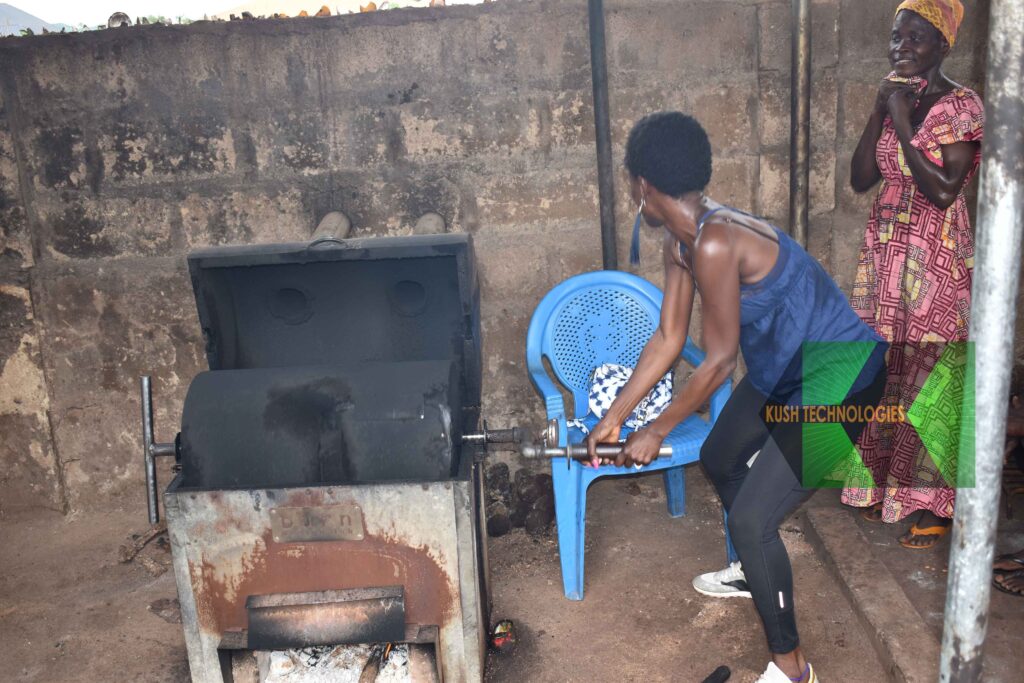
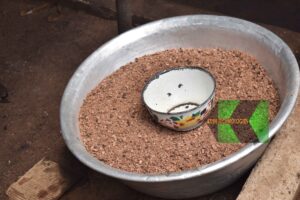
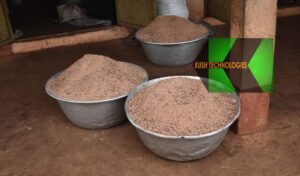
An expeller type press is used to crush the nuts of the shea tree. The shea tree nuts after being roasted are pushed against the metal press. The movement is similar to a meat grinder. Then the shea butter is squeezed out of the nut by pressure. The end result is Unrefined Shea Butter or Raw Shea Butter .This method is used by many African women these days because it helps them organize and produce more shea butter in less time. It does not involve any chemicals and is simply a faster way of extraction without compromising the pure unrefined shea butter. This process cuts at least 3-5 hours off the traditional extraction time and advances continue to be made for extracting shea butter naturally without using chemicals.
“WOMEN’S GOLD”
The harvesting and production of shea butter has traditionally remained firmly in the hands of African women. This is why in Africa`s shea butter is also called “women’s gold” and is one of the few products on the continent that is economically leveraged by women alone; it is estimated that 16 million women earn their living in the shea supply chain. They possess the knowledge, passed down through generations, to produce shea butter in the traditional way. Shea butter exports from West Africa garner between $90 million and $200 million a year, according to finance news. The demand comes not only from major corporations but also from millions of entrepreneurs who hope to make a fortune in the distribution of this “women’s gold.”
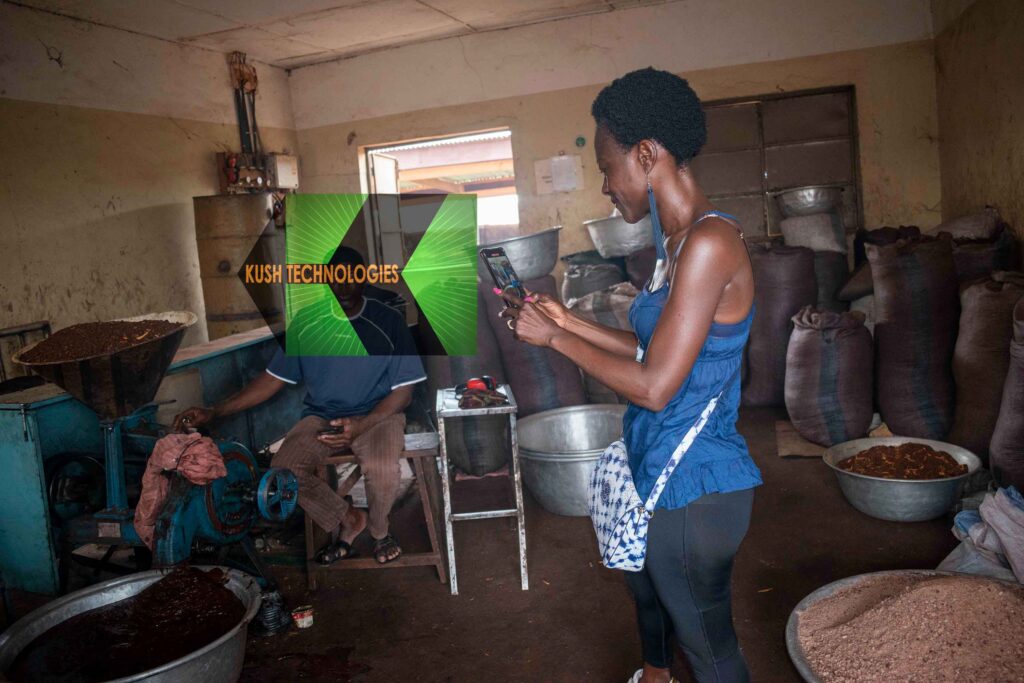
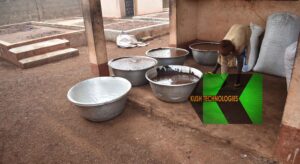

The increasing global demand in Shea butter is enabling women in rural and often very poor areas to improve their living conditions. With high demand come ethical issues, which often arise with products originating from the developing world, including Africa. Because of shea butter`s newfound popularity, the number of shea fair trade cooperatives and associations seeking a fair deal for African women has increased. They organize themselves into women’s collectives and NGO`s to be able to present themselves confidently to partners and buyers, and also to form a secure negotiating base. Through their sales they now make a substantial contribution to maintaining their families and can invest in the education of their children. At the same time, their status in their communities is improving. Our aim at Nubian Roc is to further help promote these women’s independence and self autonomy.
Supporting Women Shea Harvesters On The Ground
Since 2022, we have joined forces with our shea supplier SFC and the Global Shea Alliance to empower the women who harvests and collects the shea nuts in Ghana, Burkina Faso, Mali, Nigeria and Ivory Coast. The three initiatives chosen for the collaboration include shea tree planting, village savings and loans associations (VSLA) trainings and rocket stove trainings (i.e. ‘clean cookstoves’). Through this project we are promoting rural development by sustainably securing the women shea collectors’ livelihoods and promoting their emancipation by offering them the opportunity to trade in a self-determined way.
Beyond that, we want to help plant 5,000 shea trees on site by 2025. In this way, we are contributing to the fight against climate change, as the trees bind CO2 and can counteract the growth of the desert. They are also a great source of fuel for the locals as the oil content is high in the firewood from shea trees.
